December 24, 2025 · Eagle Hood Cleaning
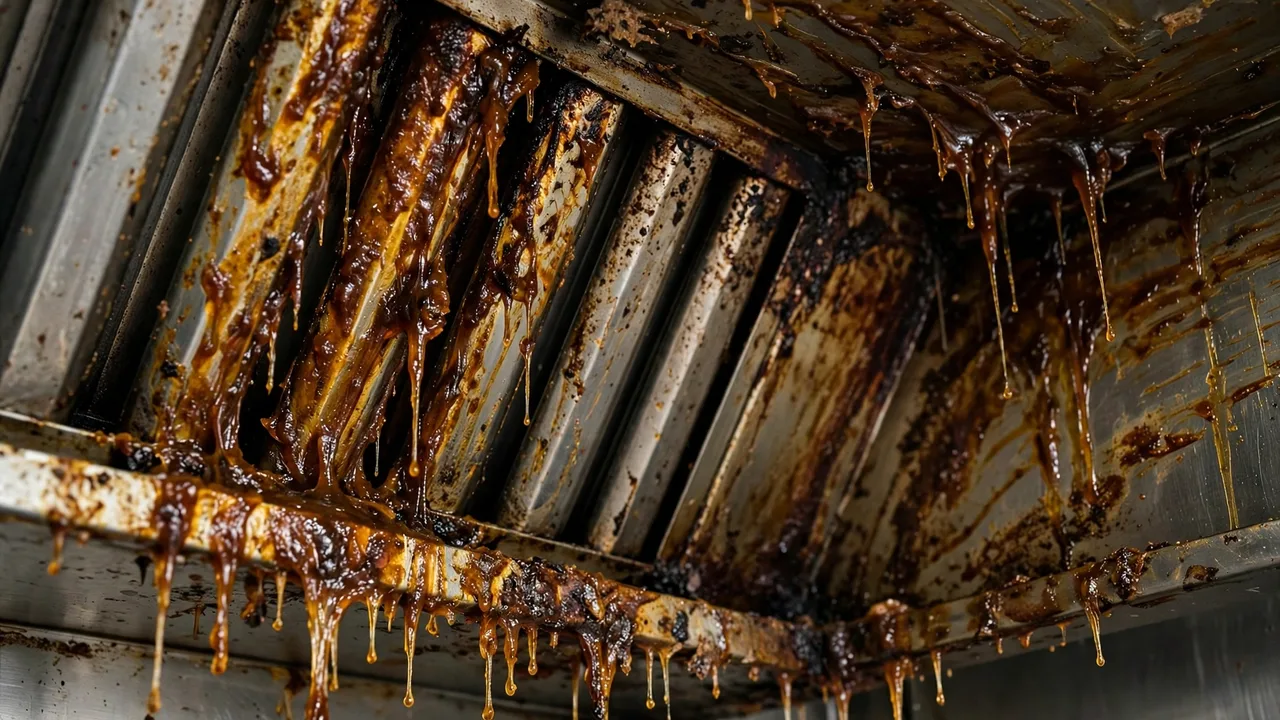
Hood cleaning is usually bought for one reason — an inspection, a lease, an insurer's letter. It pays back on three.
Grease in the exhaust system is fuel arranged in a path from your cooking line to your roof. Removing it on schedule is the single most effective fire-prevention step a kitchen controls directly.
NFPA 96 sets the standard and the cleaning frequencies; fire marshals and insurers enforce them. A documented cleaning program is how a kitchen demonstrates compliance rather than arguing it.
A loaded system works harder to move less air: smoke lingers, heat builds, the fan strains and energy bills climb. Clean ducts and a clean fan restore the draw the system was designed for — the kitchen feels it the very next service.
Safety, compliance and efficiency, from the same truck roll. That is why the kitchens that clean on schedule never go back to cleaning on emergencies.
The free inspection settles it with photographs: your system's real condition, a written scope, and the NFPA 96 frequency for your kitchen. Call (855) 811-3088 or request it online.
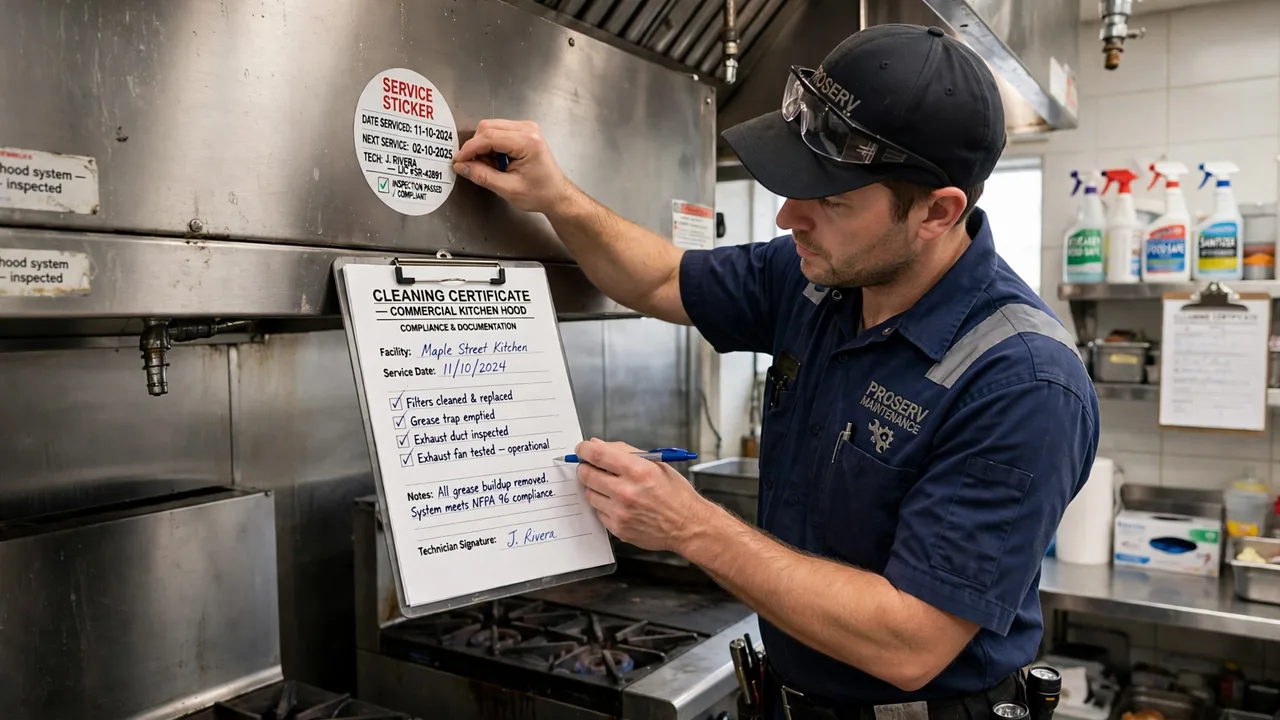 NFPA 96 Cleaning Frequencies, Explained for Kitchen ManagersMonthly, quarterly, semi-annual or annual? NFPA 96 sets your hood cleaning frequency by cooking type and volume — here is how to find yours.
Read →
What Fire Marshals Actually Check in Your Exhaust SystemThe sticker, the filters, the duct access, the fan — a walk-through of the exhaust-system checks that decide whether your kitchen passes.
Read →
Free on-site inspection, a written scope and frequency recommendation, and night scheduling that never touches your service hours.